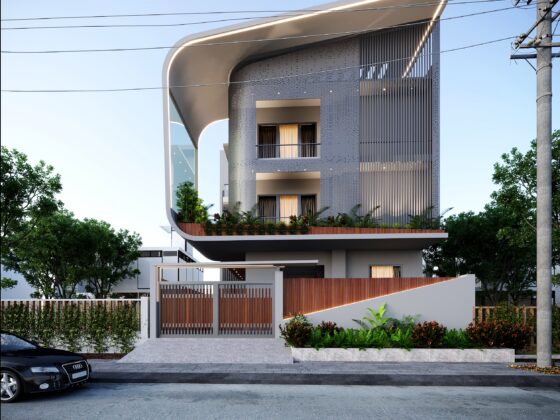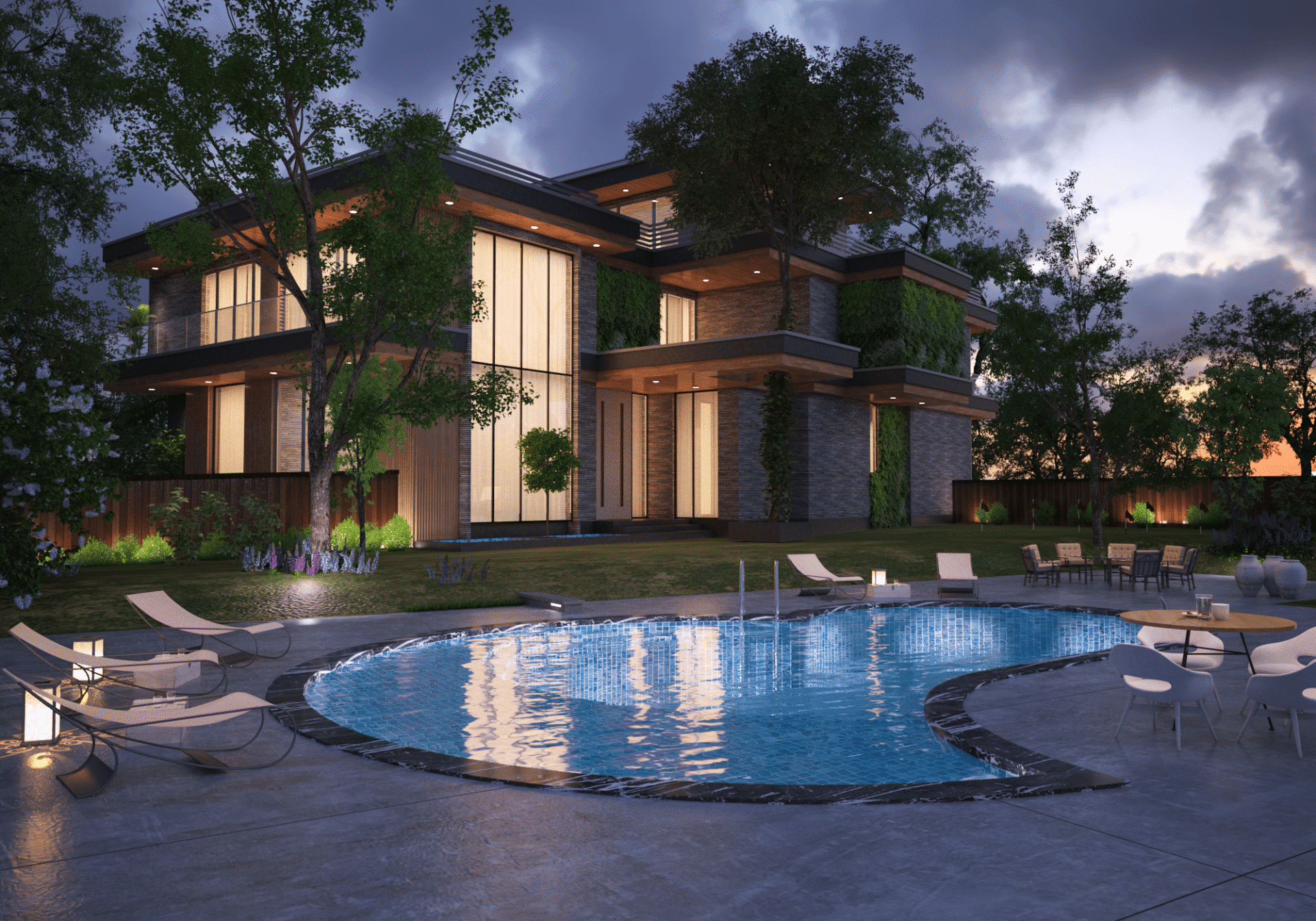
At GVA, we have always believed that architecture is not created—it is crafted. It emerges from the same well of imagination, inquiry, and emotion that nurtures art. Our journey from art to architecture is not a shift in profession, but an evolution in purpose. It reflects our belief that every building should transcend function and become an expression of ideas, identity, and experience.
Art, for us, has always been the foundation of design thinking. It teaches us to observe deeply, interpret intuitively, and communicate through form, colour, texture, and rhythm. These artistic principles shape the way we approach architecture—every line begins as an expression, every sketch carries intention, and every spatial decision is rooted in the desire to evoke an emotional response. What starts as an abstract thought takes form through drawings, models, and materials, gradually transforming into a space that people eventually inhabit.
However, architecture introduces a layer of responsibility that makes the transition even more meaningful. While art can express freely, architecture must respond—to people, climate, context, and time. At GVA, this balance between creative freedom and functional precision defines our design language. It is where imagination meets engineering, and where artistic sensitivity evolves into spatial intelligence. Each project becomes a dialogue between aesthetics and practicality, allowing us to innovate without losing the human essence of design.
Over the years, we have seen how artistic influences have shaped global architectural movements—from the sculptural forms of modernism to the geometric purity of minimalism. At GVA, these inspirations continue to guide our explorations, but we always respond through the lens of contemporary relevance. For us, art is not a style to be replicated; it is a thinking process that drives originality. Whether we are designing a residence, a hospitality space, or an institutional building, the artistic foundation allows us to view architecture not as construction but as composition—one where light, materials, and proportions become our tools.
This philosophy is particularly evident in the way we use materials and light. Just as an artist works with layers and textures, we explore natural finishes, handcrafted elements, and nuanced detailing to create depth and tactility in our spaces. Light becomes our medium—sometimes sculpting volumes, sometimes dissolving boundaries, and often transforming a static space into a dynamic experience. These artistic sensibilities form the soul of our architecture, making each project more than just a built structure—it becomes an immersive narrative.
Technology has further strengthened the bridge between art and architecture at GVA. Digital tools, modelling techniques, and generative processes allow us to think fluidly and visualise freely. What once could only be imagined on paper can now be tested, manipulated, and experienced virtually. This synergy of artistic creativity and technological precision empowers us to craft spaces that are both expressive and efficient, rooted in emotion yet grounded in performance.
As our practice continues to evolve, the transition from art to architecture remains central to our identity. It shapes how we conceptualise spaces, collaborate with clients, and respond to diverse contexts. More importantly, it influences how we view our role—as creators who shape not only physical environments but also the experiences and stories of the people who interact with them.
At GVA, we see architecture as art that can be lived in. It is a canvas expanded into space—dynamic, tactile, and human. Our commitment is to continue designing with the sensitivity of an artist and the responsibility of an architect, creating environments that inspire, uplift, and stand as timeless expressions of creativity.
Ar.Geeta Arya
Principal architect
GVA